Overview
Artificial Intelligence in Education is moving beyond isolated AI tools toward systems that can support teachers and students directly in real learning environments. Guerino et al., with Seiji Isotani, describe this through Augmented Intelligence: AI should support human decision-making rather than replace it, while real deployments also have to account for reliability, teacher involvement, and access to technological resources.
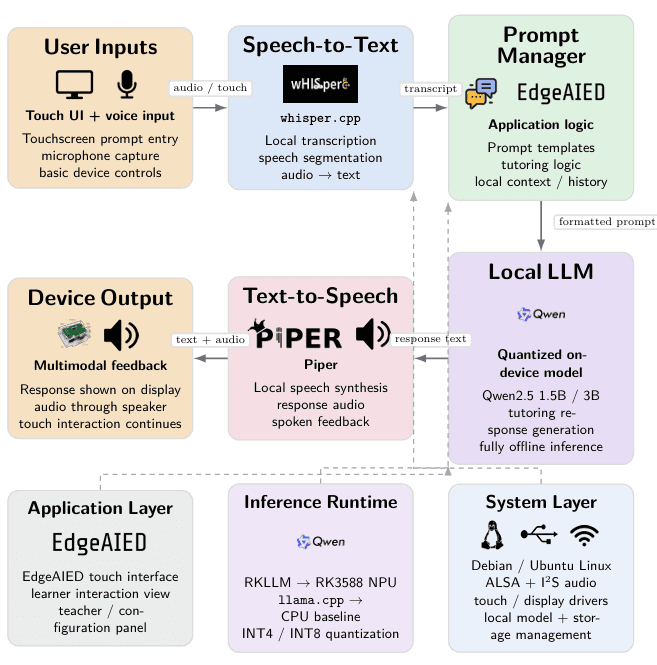
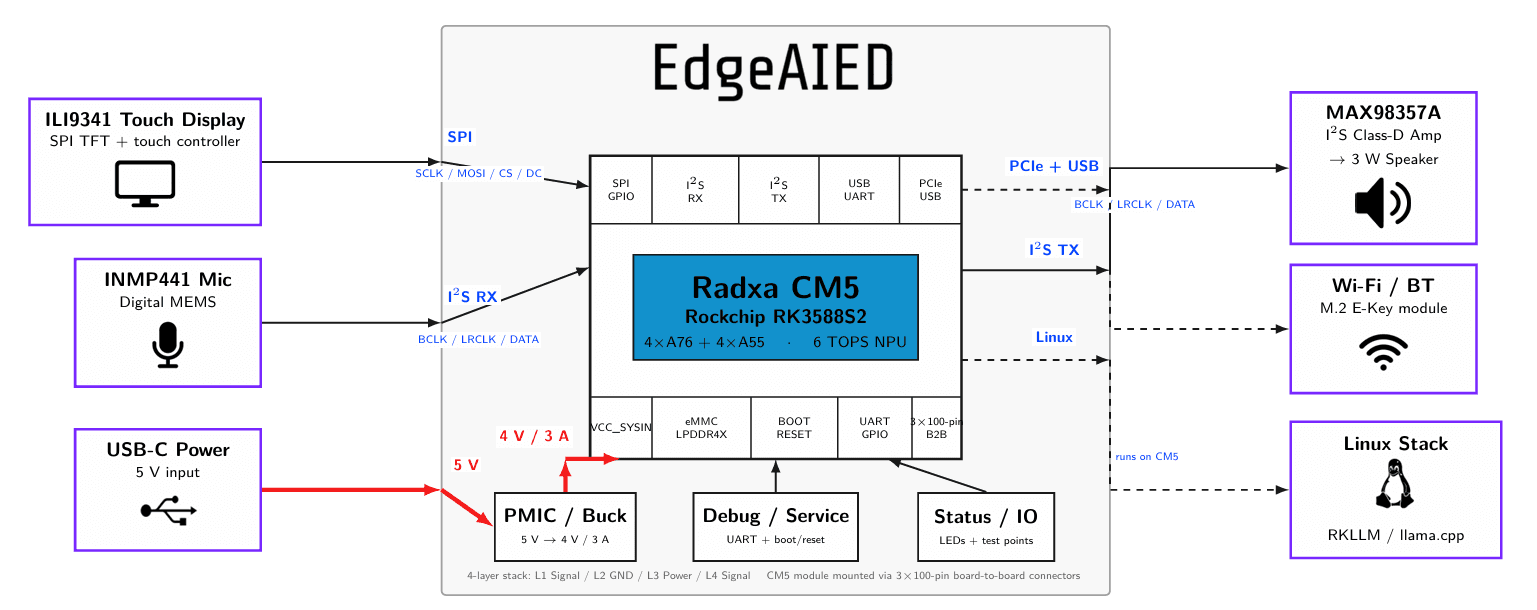
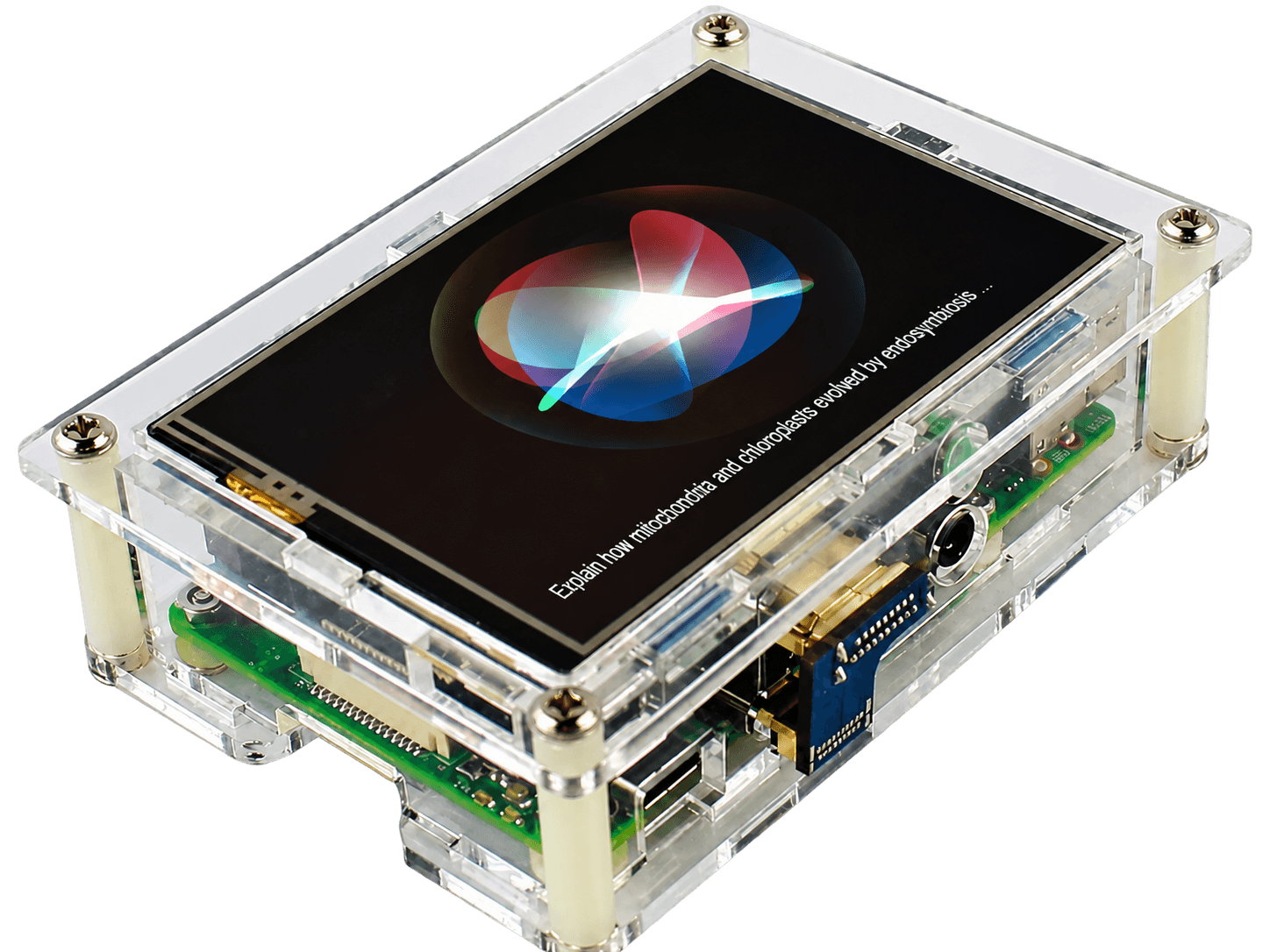
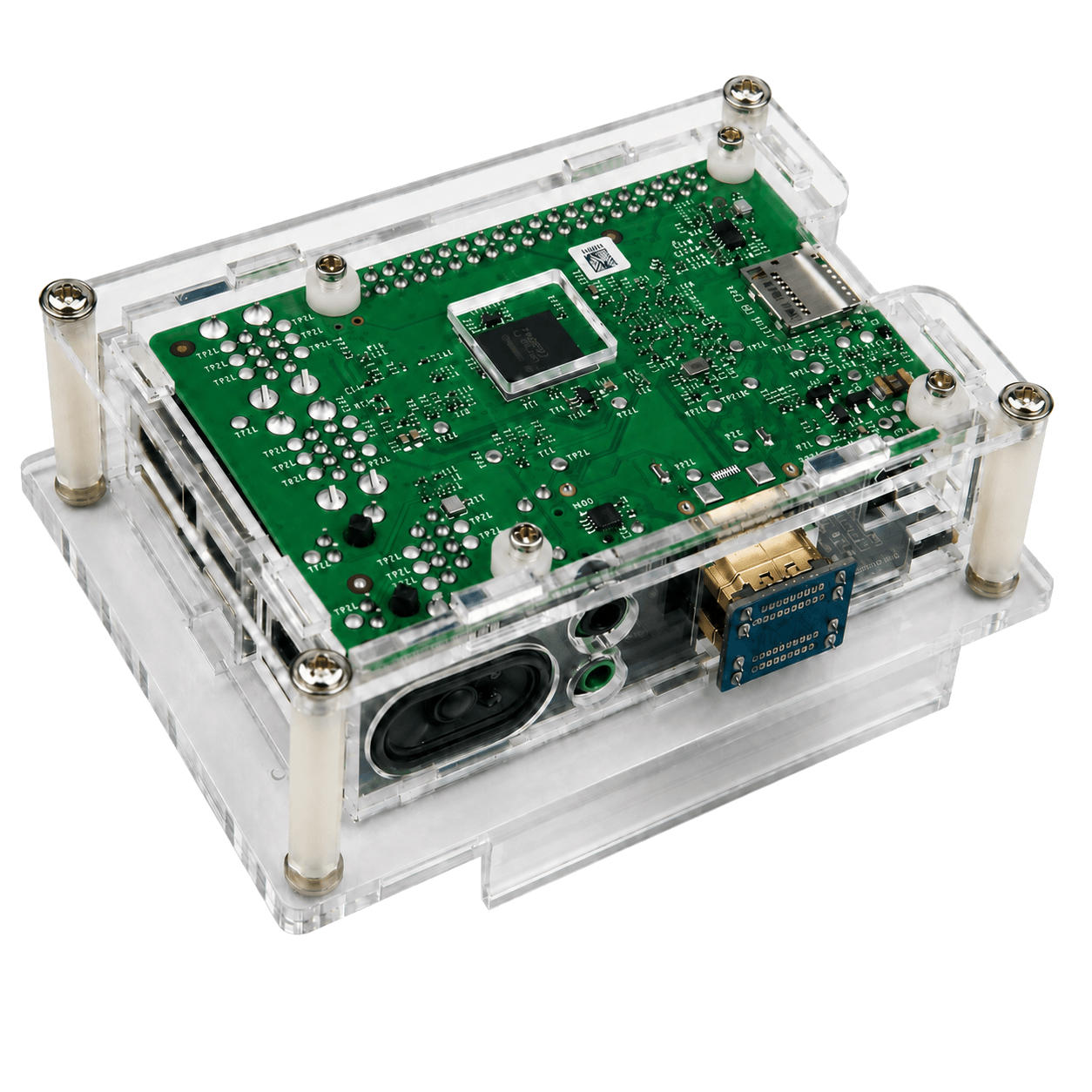
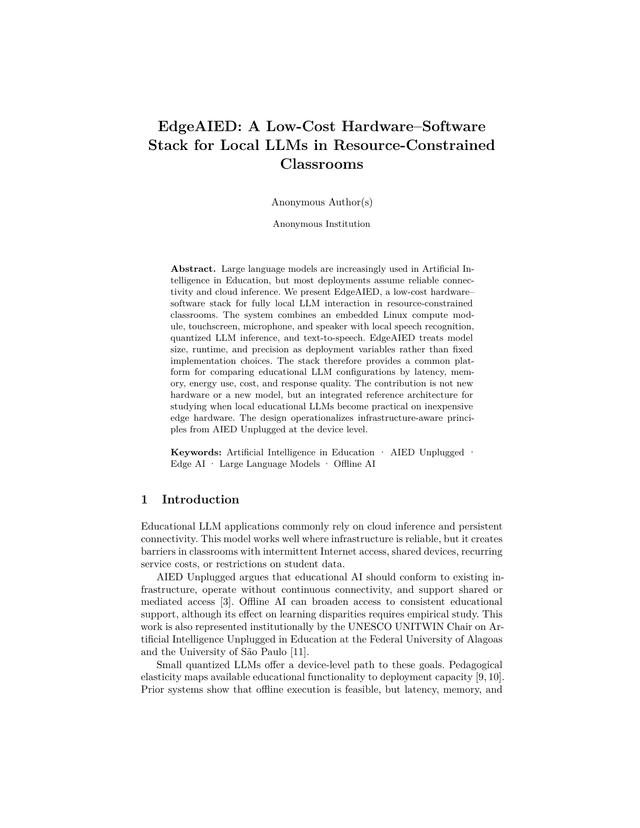
EdgeAIED explores the infrastructure side of that problem. Instead of treating every AIED application as a separate cloud service, the project investigates a reusable hardware-software stack that can run educational AI applications locally on edge hardware. The goal is to provide a common platform for vision, audio, language, and feedback pipelines while reducing dependence on external computers, persistent connectivity, and application-specific hardware.
The broader idea is to make AIED systems easier to prototype, deploy, and reuse in classrooms, especially where cost, connectivity, privacy, or infrastructure make cloud-first systems difficult to scale.